Introduction
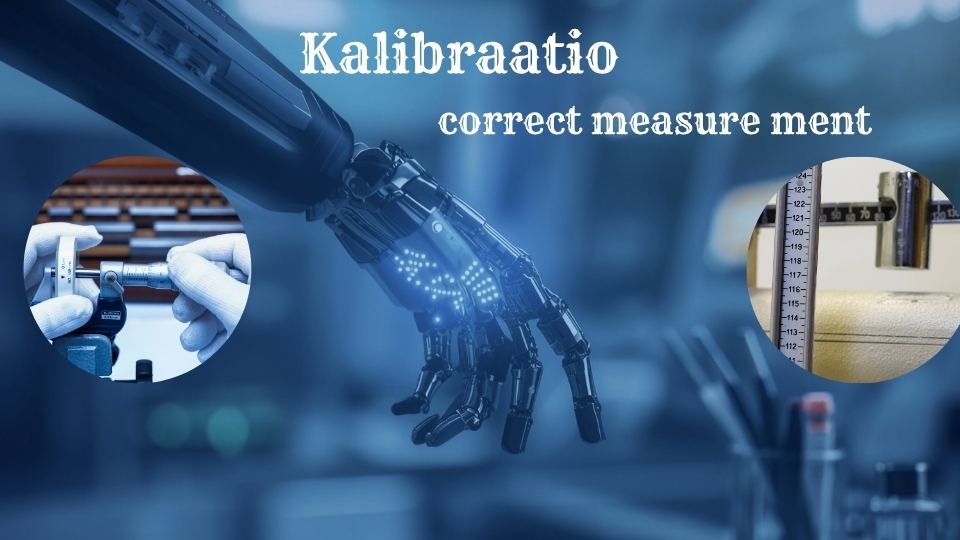
Kalibraatio, commonly known as calibration, is the process of checking and adjusting a measuring device to ensure it provides accurate results. In a world that relies heavily on data and precision, even small measurement errors can lead to significant problems. That’s why kalibraatio is used across industries, science, and everyday life.
What Is Kalibraatio?
Kalibraatio is the comparison of a measuring instrument with a known and trusted reference standard. If the instrument shows a different value than the standard, it is adjusted to match the correct measurement.
For instance, if a thermometer displays a temperature higher than the actual value, calibration corrects that difference so the device gives reliable readings.
Why Kalibraatio Is Important
Ensures Accuracy
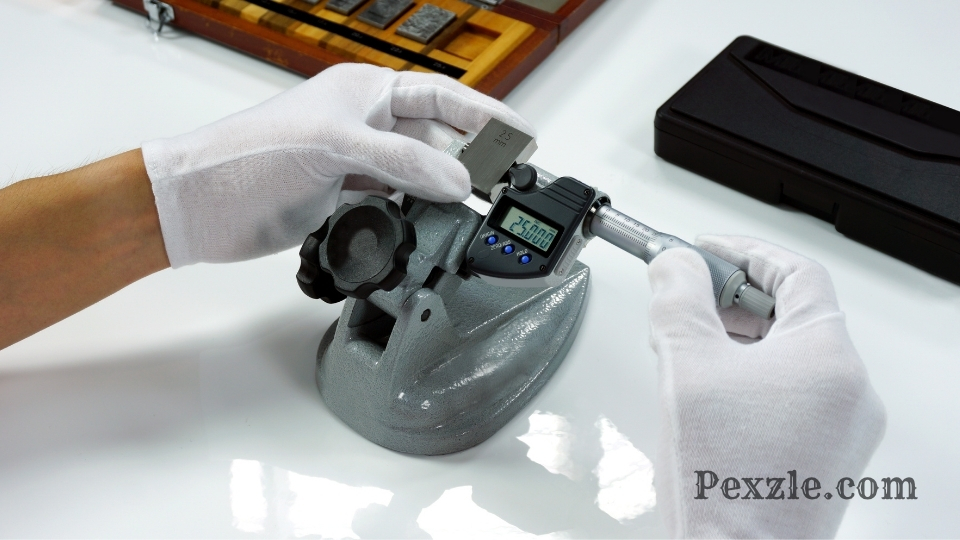
Accurate measurements are essential for making correct decisions. Whether in laboratories or construction sites, precision matters.
Improves Consistency
Calibration helps devices maintain consistent performance over time, even with repeated use.
Supports Safety
In sectors like healthcare and engineering, incorrect measurements can lead to dangerous outcomes. Calibration reduces such risks.
Maintains Quality
Manufacturers rely on calibrated equipment to produce products that meet exact standards.
Types of Kalibraatio
Mechanical Kalibraatio
Used for tools that measure physical quantities such as length, weight, or pressure.
Electrical Kalibraatio
Applies to instruments that measure electrical values like voltage and current.
Thermal Kalibraatio
Ensures temperature-measuring devices provide accurate readings.
Digital Kalibraatio
Involves adjusting software or digital systems in modern devices for improved accuracy.
How Kalibraatio Works
- Reference Selection
A standard with known accuracy is chosen. - Comparison
The device’s reading is compared with the reference value. - Adjustment
Any error is corrected to align the device with the standard. - Documentation
The process is recorded for tracking and quality control.
Where Kalibraatio Is Used
- Healthcare: Medical equipment must provide accurate data for proper treatment
- Manufacturing: Machines require precise measurements for consistent production
- Laboratories: Scientific research depends on exact values
- Technology: Devices like cameras and displays need calibration for correct output
- Daily Life: Tools such as kitchen scales and thermometers benefit from calibration
How Often Should Kalibraatio Be Done?
The frequency of calibration depends on the device and its use. Equipment used in critical environments may need frequent calibration, while household devices may only require occasional checks.
Signs That Kalibraatio Is Needed
- Inconsistent or unusual readings
- Results that do not match other devices
- Sudden drop in accuracy
- After repair or damage
Benefits of Kalibraatio
- Reliable measurements
- Reduced errors
- Increased safety
- Better product quality
- Longer equipment lifespan
Challenges of Kalibraatio
Calibration may require special tools, skilled technicians, and time. However, the cost of incorrect measurements is often much higher than the cost of calibration.
Conclusion
Kalibraatio is a fundamental process that ensures measurement accuracy and reliability. From industrial systems to everyday tools, it plays a crucial role in maintaining quality and safety. By performing regular calibration, individuals and organizations can avoid errors, improve performance, and make better decisions based on accurate data.
Read more on Pexle